
Software Engineer &
AI Engineer
I'm Vaibhav Bansal — a Software Engineer and AI Engineer with 5+ years of experience building scalable applications and intelligent systems. Currently based in United States, New York after completing my M.S. in Engineering Science & Data Science from the State University of New York at Buffalo (SUNY Buffalo).
I've worked at Wipro Technologies and DashClicks, architecting and deploying production-grade platforms that drive measurable business impact. At SUNY Buffalo, I served as a Graduate Teaching Assistant (EAS 503 & CDA 500), Graduate Student Assistant, and currently a Research Assistant working on applied AI/ML systems.
I'm passionate about modern AI-driven development — leveraging LLMs, RAG architectures, LangChain, and AI-assisted workflows to build intelligent, user-centric products. I combine strong engineering fundamentals with applied AI to ship systems that are reliable, scalable, and production-ready.
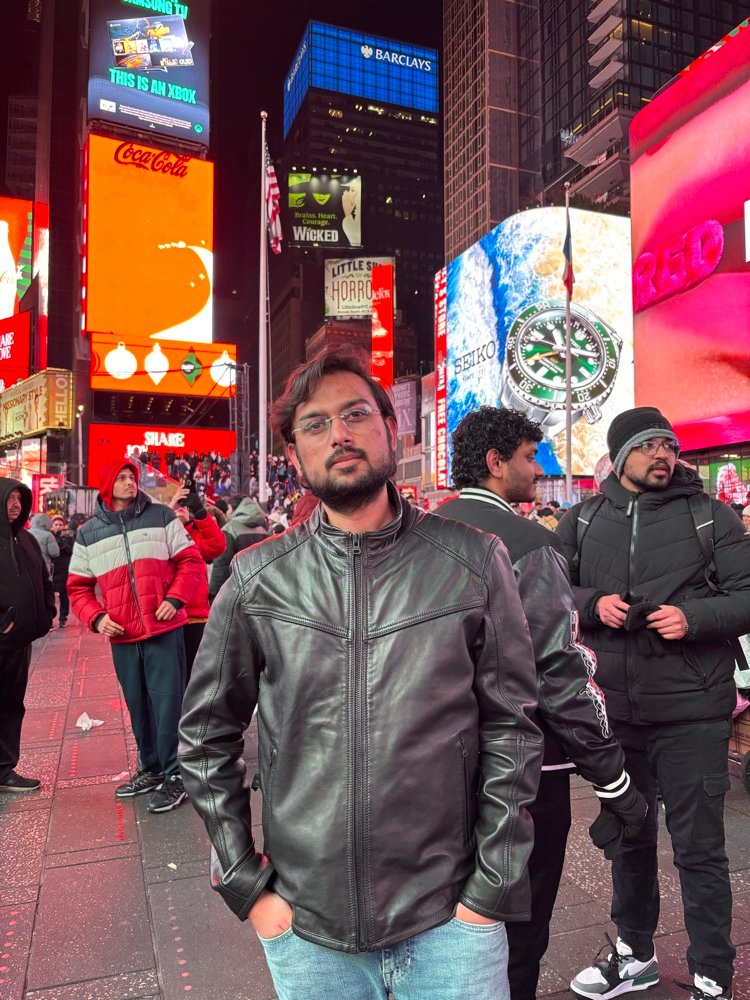
I also published an open-source npm package ( grapesjs-advance-components ), co-authored a research paper, and was featured on a Times Square billboard.
Degree
M.S. Data Science, SUNY Buffalo
B.Tech
Computer Science, VIT University
Experience
Wipro · DashClicks · SUNY UB
Focus
AI/ML · Full Stack · Cloud
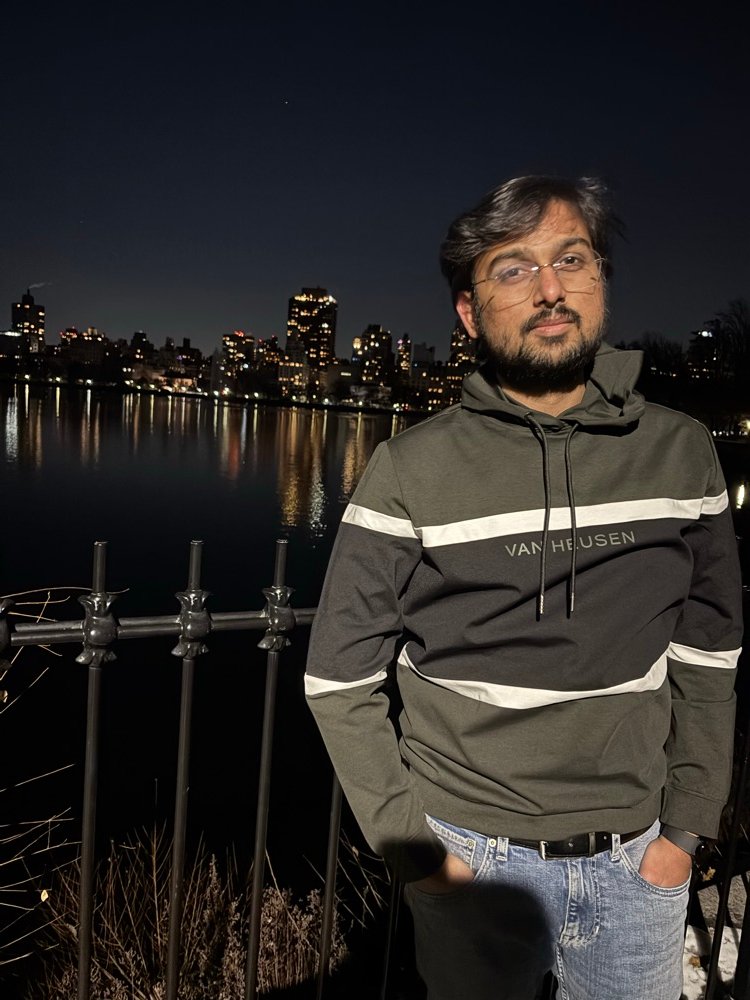
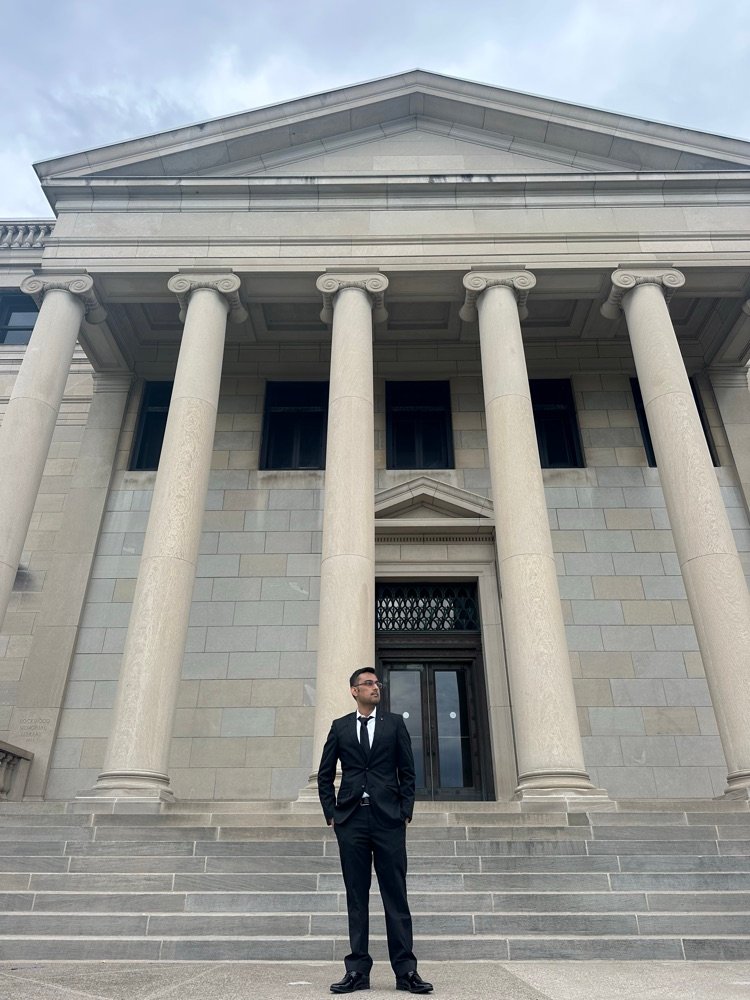
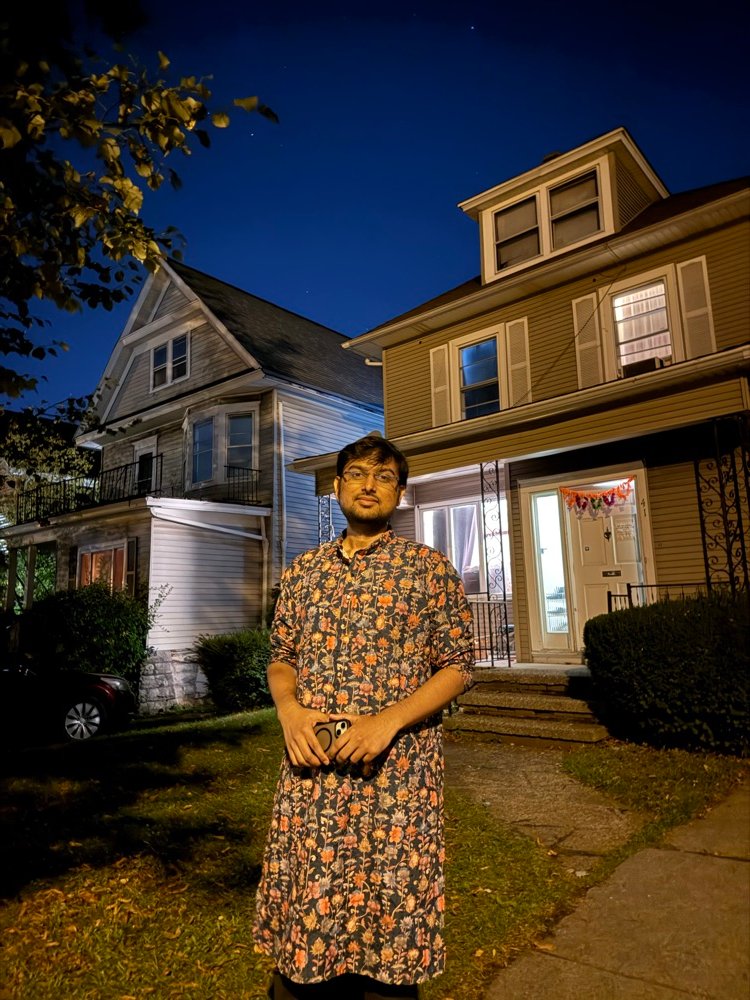
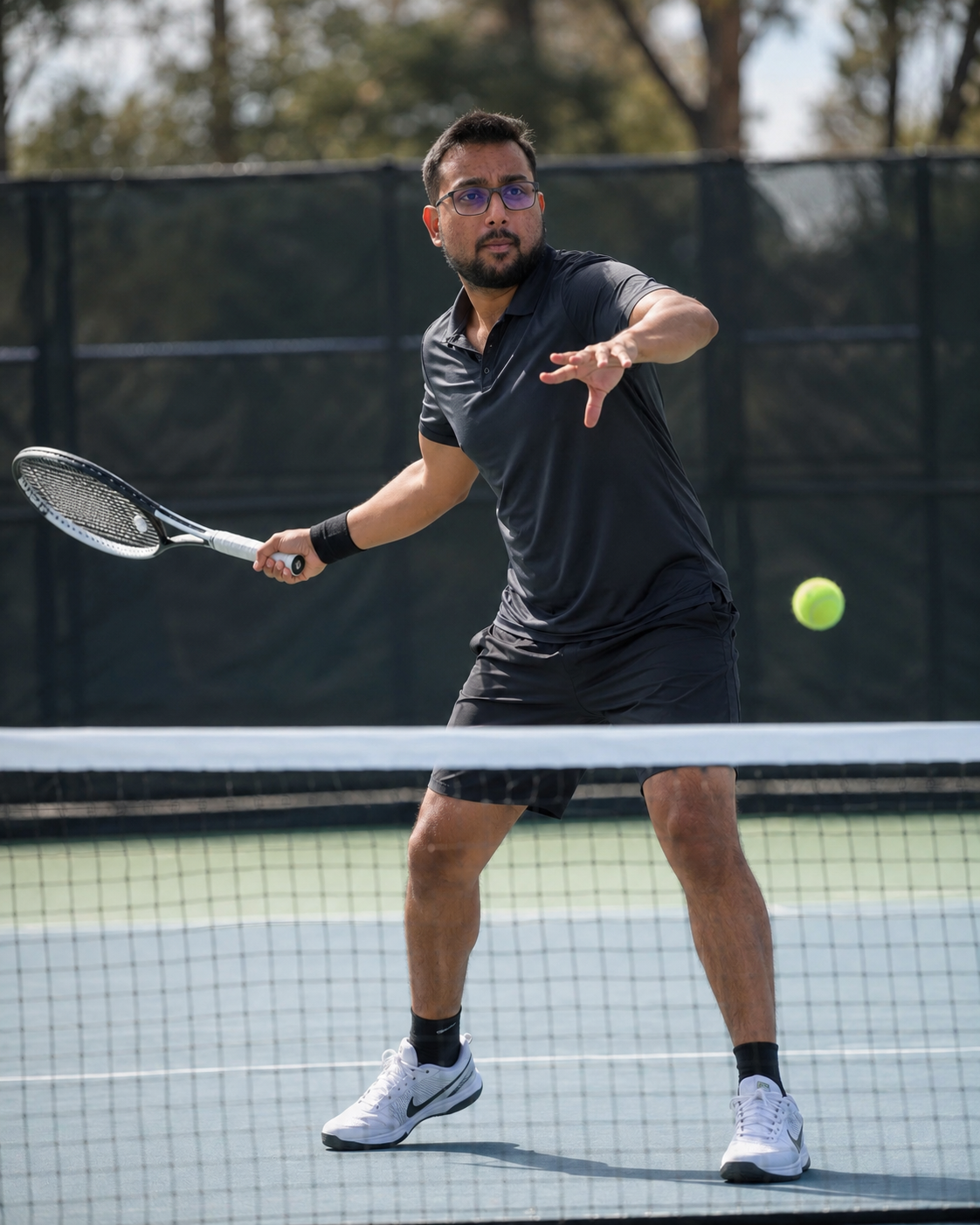
Beyond the Code
drag · fan · shuffle




Work Experience
Sep 2021 – Jan 2024
Aug 2020 – Sep 2021
Academic Roles
University at Buffalo (SUNY) · 2024 – Present
Sep 2025 – Present
Feb 2025 – May 2025
Sep 2024 – Jan 2025
Education
State University of New York at Buffalo
M.S. in Engineering Science & Data Science
Vellore Institute of Technology (VIT University)
B.Tech in Computer Science & Engineering
Technical Skills
Certifications & Training
Click any card to flip and see details
Obstacle Avoidance Using Stereo Vision and Depth Maps for Visual Aid Devices
Proposed an integrated real-time obstacle detection framework for visually impaired users, combining dual CCD stereo cameras with ultrasonic sensors to produce dense depth maps via disparity estimation. The algorithm categorises 3D point vertices into near/far zones — ultrasonic handles close-range hazards (<2 m) while stereo vision covers mid-to-long range. A Raspberry Pi processes frames on-device; alerts are delivered through a buzzer, voice module, and SMS via GPS co-ordinates. The system overcomes the depth-blindness of monocular approaches and achieves reliable detection in both indoor corridors and outdoor environments. Published June 2020 in Springer Nature · SN Applied Sciences, Vol. 2, Issue 6, Article 1131. DOI: 10.1007/s42452-020-2815-z.
Year
2020
Venue
Springer Nature
Domain
Deep Learning · NLP
ORCID
0000-0002-5433-0385